
Uncategorized
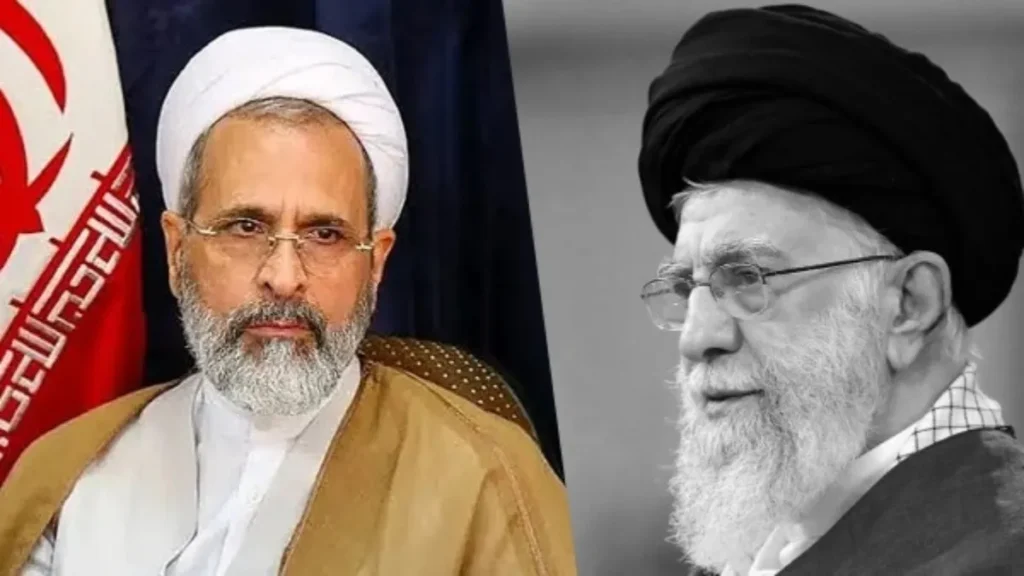
Alireza Arafi New Supreme Leader
Mar
Alireza Arafi: Iran’s Interim Supreme Leader in 2026 – Profile, Role & Latest Updates
Alireza Arafi, a senior Iranian cleric and longtime establishment figure, was appointed as a key member of Iran’s Interim Leadership Council following the assassination of Supreme Leader Ayatollah Ali Khamenei in late February 2026. Amid the ongoing US-Israeli conflict with Iran, Arafi — along with President Masoud Pezeshkian and Chief Justice Gholam-Hossein Mohseni-Eje’i — stepped into a transitional role to manage state affairs until the Assembly of Experts selects a permanent successor.
This blog post explores who Ayatollah Alireza Arafi is, his background, why he was chosen for the interim council, and what his role means for Iran’s future amid war and uncertainty in March 2026.
Who Is Ayatollah Alireza Arafi?
Born in 1959 in Meybod, Yazd province, Alireza Arafi is a prominent Shia cleric with deep roots in Iran’s religious and political institutions.
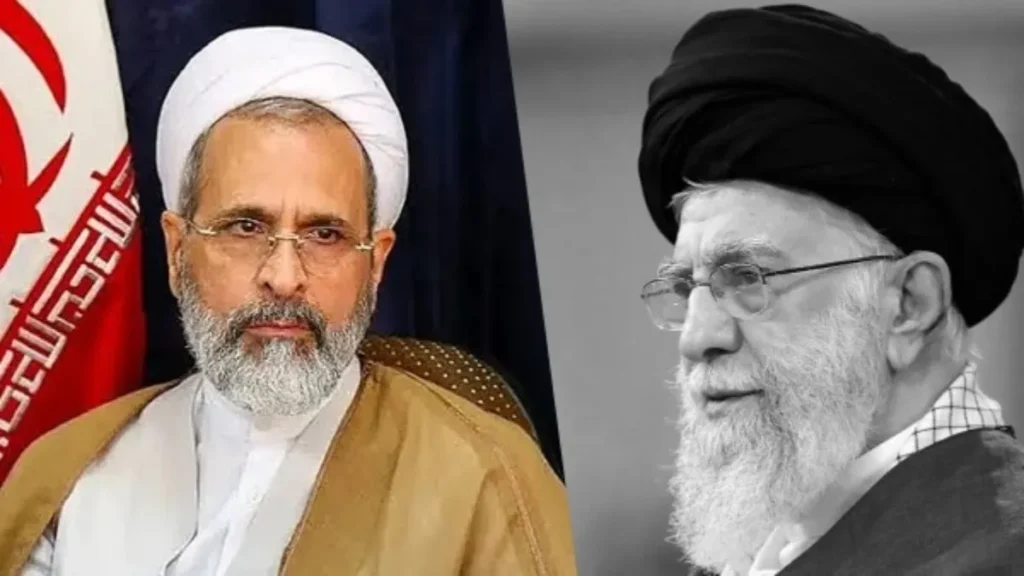
Early Life & Religious Education
- Studied in prestigious Qom seminaries, achieving the rank of mujtahid (qualified to issue independent Islamic rulings)
- Rose through the ranks as a teacher, administrator, and Friday prayer leader
- Longtime ally of the late Ayatollah Khamenei, known for hardline views on domestic restrictions and anti-Western resistance
Key Positions Held
- Head of Al-Mustafa International University (major global seminary network)
- Member of the Guardian Council (since 2019) — vets laws and election candidates
- Deputy Chairman of the Assembly of Experts (the body that selects the Supreme Leader)
- Friday prayer leader in Qom and other influential posts
In short, Arafi is viewed as a “man of the system” — loyal to the Islamic Republic’s core ideology and deeply embedded in its power structures.
How Alireza Arafi Became Part of Iran’s Interim Leadership
Following Khamenei’s death in joint US-Israeli strikes on February 28, 2026, Iran’s constitution (Article 111) required a three-person council to temporarily assume supreme leadership duties.
Formation of the Interim Leadership Council
- Appointed March 1, 2026 by the Expediency Discernment Council
- Council members:
- President Masoud Pezeshkian
- Chief Justice Gholam-Hossein Mohseni-Eje’i
- Ayatollah Alireza Arafi (as the clerical/jurist representative)
- Role: Oversee governance, military decisions, and state functions until the Assembly of Experts elects a permanent Supreme Leader
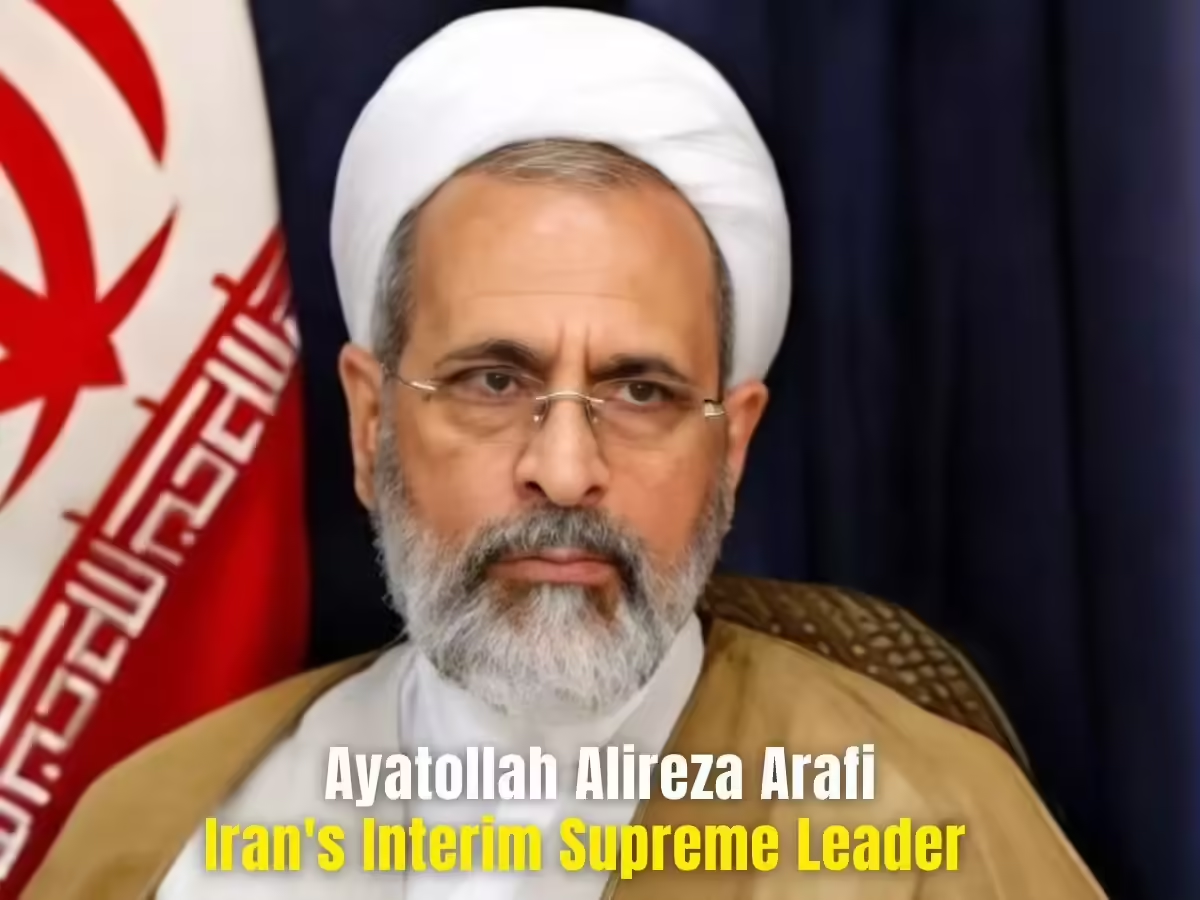
Consequently, Arafi became Iran’s de facto interim Supreme Leader figure in the clerical slot during this critical transition period.
Why Was Alireza Arafi Chosen?
Arafi’s selection reflects his deep ties to the regime and perceived reliability during crisis.
Reasons for His Appointment
- Loyalty & Hardline Credentials — Close confidant of Khamenei; advocates strict religious enforcement and resistance against US/Israel
- Institutional Power — Already on the Guardian Council and Assembly of Experts
- Stability Signal — Seen as a “safe bet” to maintain continuity amid war and potential internal unrest
- No Hereditary Concerns — Unlike speculation around Mojtaba Khamenei, Arafi represents the clerical establishment rather than family succession
However, some analysts note his appointment is temporary — the Assembly of Experts will ultimately choose the permanent successor (with names like Mojtaba Khamenei still in discussion as of March 2026).
Current Role & Challenges in March 2026
As interim council member, Arafi helps manage Iran’s response to the ongoing conflict.
Key Responsibilities
- Coordinate wartime decisions
- Maintain regime unity and public messaging
- Oversee the succession process alongside the Assembly
Major Challenges
- Ongoing Israeli/US strikes (including on assembly-related sites)
- Security threats — Israel has vowed to target any successor
- Internal pressures — Balancing hardliners vs. calls for de-escalation
In short, Arafi’s interim role is high-stakes and short-term, focused on stability until a new Supreme Leader is confirmed.
What This Means for Iran’s Future
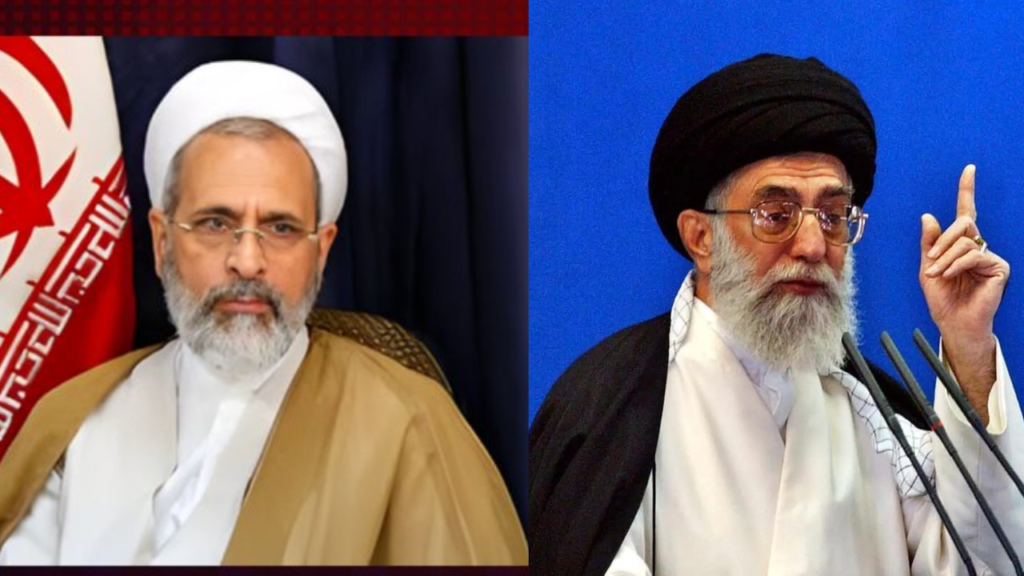
Arafi’s prominence signals continuity in Iran’s hardline stance, but the permanent successor choice will define the long-term path.
Possible Outcomes
- Hardline continuation (if Mojtaba Khamenei or similar wins)
- Slight moderation (less likely in current climate)
- Impact on war diplomacy and regional tensions
Ultimately, the Assembly’s decision — expected soon — will shape Iran’s trajectory amid one of its most turbulent periods.
Stay tuned for updates on Iran’s new Supreme Leader and Alireza Arafi news as the situation develops in March 2026. For accurate information, follow reputable international and regional sources. What do you think this transition means for the region? Share your thoughts below! 🌍
